Fishing Gear, Decoded by the Numbers
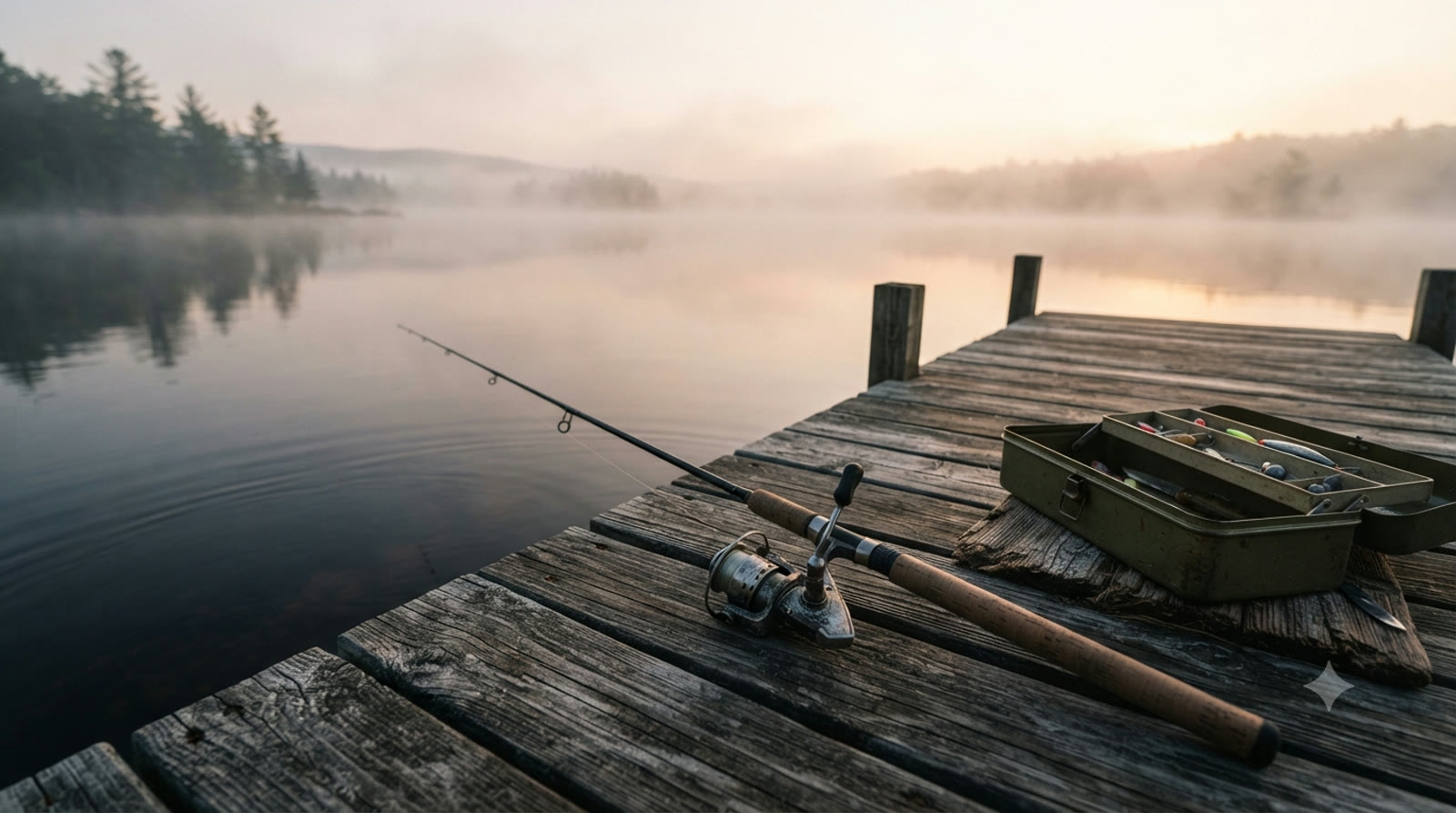
Tackle Lab ranks rods, reels, and line on 4 specs: rod power and action (two separate scales), reel gear ratio and inches-per-turn, line test vs actual diameter, and backwards hook sizing. In full, Tackle Lab ranks rods, reels, and line by the specs that actually decide how gear performs — rod power and action (two separate specs, not one scale), gear ratio and inches-per-turn for reels, line test and actual diameter for mono/fluoro/braid, and the backwards hook-size numbering system — not the marketing copy on the packaging. We don't publish prices or star ratings, every pick names an honest drawback, and we never guarantee a catch.
Most "best fishing rod" lists sell the brand name. We start from the spec sheet: a "medium" rod means nothing without its action, a 7.5:1 reel isn't always faster than a 7.0:1 reel once spool size is factored in, braid's printed "test" rating isn't directly comparable to mono's, and hook sizing runs in two opposite directions that meet at 1/0. Pick a category below — each guide leads with the one fact that changes how you shop.
Beginner Freshwater Combos
Class picks by combo type — glass/graphite, budget carbon, spincast, and baitcast-to-learn-on.
4 picks →
Bass Fishing Setups
Rod, reel, and line class picks matched to technique — jigs/worms vs reaction baits vs cover fishing.
4 picks →
Kayak & Travel Rods
Multi-piece and telescopic class picks ranked by packed length vs how much action they keep.
4 picks →
Start here — one setup per situation
Rod power, reel size and line rating are a matched set; getting one wrong makes the other two feel broken. These are the lead picks for a first combo, a bass setup, and a rod that packs down. Each links to a live Amazon search rather than a fixed listing.
Ugly Stik GX2 Spinning Combo
Medium power, fast action, 6'6"–7', 2-piece, one-piece stainless guides, pre-spooled
The clog-tolerant glass/graphite composite blank that made Ugly Stik a decades-long default first rod — it survives beginner mistakes (car-door slams, rock hits) better than most graphite blanks.
Best for: A single do-everything panfish-to-bass rod for someone who doesn't yet know their preferred style
Watch out: Heavier and less sensitive than a true graphite rod, so it's a durability-first pick, not a finesse one.
Check price on AmazonNot deciding today? Add it to your cart over there — Amazon keeps it saved (and flags any price change) until you're ready.
St. Croix Mojo Bass Casting Rod
Medium-heavy power, fast action, 7', SCII graphite blank, made in USA
A genuinely sensitive graphite blank at a mid-tier price point, with the medium-heavy/fast combo that covers jigs, Texas-rigs, and moderate crankbaits without swapping rods.
Best for: A bass angler who wants one versatile rod before building out a multi-rod arsenal by technique
Watch out: Fast action isn't ideal for treble-hook crankbaits and topwater walking baits — those want a moderate/moderate-fast tip that won't rip hooks on a hard strike.
Check price on AmazonNot deciding today? Add it to your cart over there — Amazon keeps it saved (and flags any price change) until you're ready.
KastKing Perigee II Travel Rod
Medium power, fast action, 4-piece, toray carbon blank, ~24" packed length
A 4-piece ferrule design that keeps the rod's action close to a 1-piece blank's feel, at a packed length that fits inside a kayak hatch or checked-bag rod tube.
Best for: Kayak anglers or travelers who want a real rod that still fits a small hatch or a suitcase
Watch out: Multi-piece ferrules are a wear point — inspect and clean them between trips, and expect a slightly softer feel than a 1-piece blank.
Check price on AmazonNot deciding today? Add it to your cart over there — Amazon keeps it saved (and flags any price change) until you're ready.
KastKing Brutus Spinning Combo
Light/medium power options, moderate-fast action, 24-ton carbon blank, stainless guides
Consistently the lowest true entry price for a combo with a real ball-bearing reel and a carbon (not fiberglass) blank instead of a toy-grade rod-and-reel set.
Best for: Kids, loaner rods, or a first-timer testing whether the hobby sticks before spending more
Watch out: Reel drag and bearings are basic — fine for panfish and bass, not for anything that makes a hard long run.
Check price on AmazonNot deciding today? Add it to your cart over there — Amazon keeps it saved (and flags any price change) until you're ready.
The claims worth decoding first
How we work
We're a research-based site: we analyze manufacturer specification sheets, published industry rating conventions (rod power/action, line diameter, gear ratio), and aggregated owner-feedback themes rather than physically testing every rod and reel on the water. We explain tradeoffs plainly, always name a downside, and never claim a piece of gear guarantees a catch. Read our full methodology →